Home Insurance in Vermont 2026 — Rates, Coverage & Best Companies
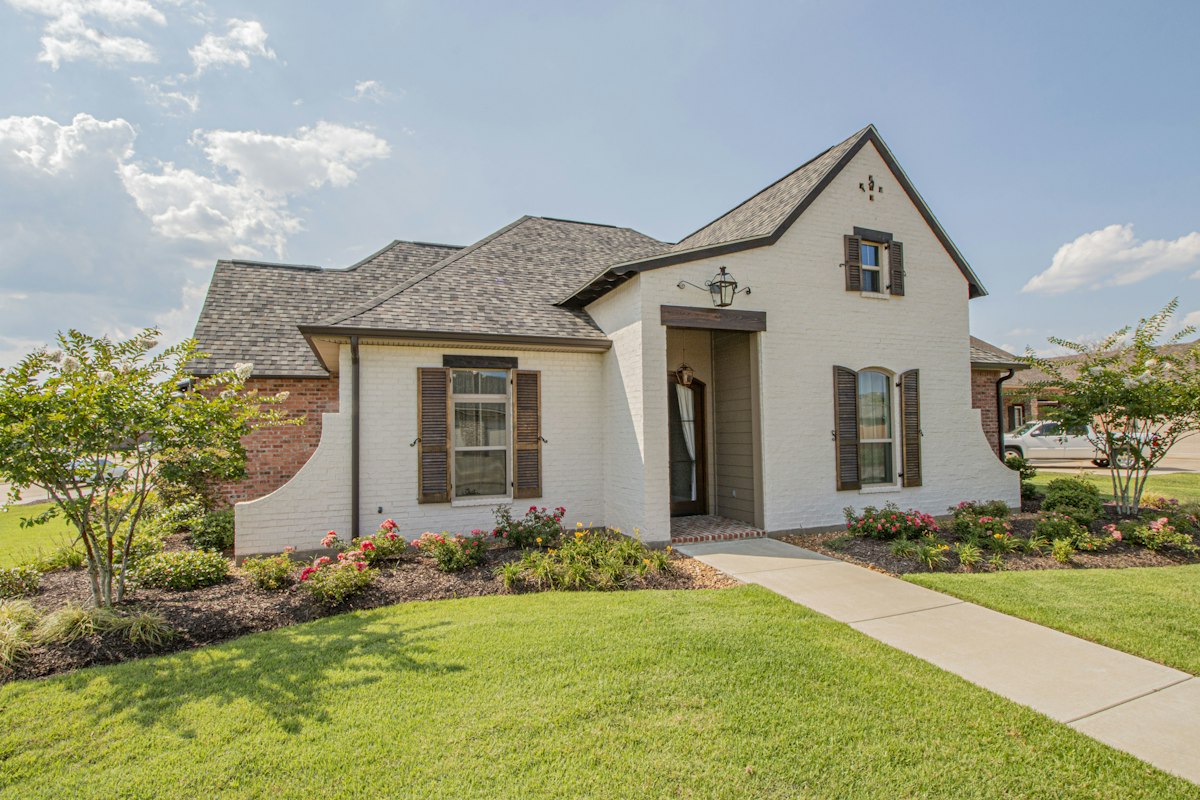
Home Insurance in Vermont 2026
Vermont homeowners experienced the state’s worst natural disaster in modern history in July 2023 — catastrophic flooding destroyed hundreds of homes and damaged thousands more across Chittenden, Washington, Lamoille, and Caledonia counties, with estimated damage exceeding $200 million. The flooding exposed significant gaps in coverage for many homeowners who lacked flood insurance despite living in Vermont’s many river valleys and floodplains. Commissioner Kevin Gaffney launched significant consumer outreach following the disaster. Vermont’s 2025 spring flooding season has brought renewed attention to flood insurance gaps and the importance of NFIP coverage for homes in or near FEMA-designated flood zones.
Quick Answer: Vermont homeowners pay an average of $720–$800 per year for home insurance — well below the national average. Vermont’s low population density, low crime rates, and lack of major weather disasters keep rates affordable. However, flooding from the Connecticut, White, and Winooski rivers — dramatically highlighted by the catastrophic 2023 Vermont floods — is a serious and underinsured risk.
Average Home Insurance Rates in Vermont 2026
Vermont is one of the most affordable states for home insurance, but 2023’s catastrophic flooding has prompted some rate increases for flood-prone areas.
| Coverage Amount | Annual Premium | Monthly Premium |
|---|---|---|
| $100,000 dwelling | $360 | $30 |
| $200,000 dwelling | $580 | $48 |
| $300,000 dwelling | $760 | $63 |
| $400,000 dwelling | $990 | $83 |
| National Average | $1,428 | $119 |
Best Home Insurance Companies in Vermont 2026
| Company | Best For | Avg Annual Rate | Rating |
|---|---|---|---|
| Amica Mutual | Best overall | $700 | A+ |
| State Farm | Statewide | $730 | A++ |
| USAA | Military families | $680 | A++ |
| Vermont Mutual | Vermont specialist | $720 | A |
| Concord Group | Northern New England | $740 | A |
Vermont Mutual Insurance Group is headquartered in Montpelier and has been insuring Vermont homes since 1828 — making it one of the oldest insurance companies in the US. It has unmatched Vermont market expertise.
Recent News & 2025-2026 Developments
- July 2023 flooding ($200M+ in losses) — DFR working with FEMA to improve NFIP participation rates in VT river valleys
- Spring 2025 flooding concerns — elevated snowmelt flooding risk along Winooski, White, and Black rivers
- DFR consumer education campaign on flood insurance launched 2025 — targeting homeowners in flood-prone communities
- Vermont homeowners rates rising 10% in 2025 — reinsurance cost increases passing through
What Does Home Insurance Cover in Vermont?
A standard HO-3 policy in Vermont covers:
- Dwelling coverage — fire, wind, vandalism, theft, and other named perils
- Personal property — electronics, tools, outdoor equipment, and belongings
- Liability protection — injuries on your property
- Additional living expenses — hotel and meals during covered losses
- Other structures — sheds, sugar shacks, barns, and fences
- Winter storm damage — covered under windstorm and structural provisions
Vermont-Specific Risks & Coverage Needs
2023 Vermont Floods: July 2023 brought catastrophic flooding to Vermont — the worst since 1927. The Winooski River, White River, and other waterways overflowed, devastating Montpelier, Barre, Johnson, and dozens of other communities. Standard policies excluded flooding; most Vermont homeowners had no flood insurance. This event was a watershed moment for Vermont’s insurance awareness.
Nor’easters and Winter Storms: Vermont receives significant snow and ice from nor’easters. Ice storms, heavy snow loads, and frozen pipe bursts are common claims. All covered under standard policies.
Spring Flooding: Vermont’s mountain snowpack creates annual spring flooding. The Connecticut, Lamoille, and other rivers rise significantly each spring. NFIP flood insurance is now recognized as essential across much of Vermont.
Ice Dams: Vermont’s freeze-thaw cycles create ice dam problems regularly. Water damage from ice dams is covered under standard policies.
Oil Heat: Vermont is heavily dependent on oil heat. Old heating oil tanks are a liability. Tank failures and oil releases can create expensive cleanup costs not fully covered by standard policies.
Factors Affecting Rates in Vermont
- River valley location — post-2023 floods have heightened awareness of VT flood risk
- Mountain vs valley — remote mountain properties have limited fire services
- Ski resort communities — Stowe, Killington, and Mad River Glen area have high home values
- Home age — Vermont has many very old homes
- Oil heat and tank age — underground tanks are a coverage concern
- Seasonal/vacation homes — many Vermont properties are second homes; vacancy provisions apply
Cheapest Cities for Home Insurance in Vermont
| City | Avg Annual Rate | Notes |
|---|---|---|
| Burlington | $700 | Lake Champlain, competitive urban market |
| South Burlington | $710 | Burlington suburb, moderate risk |
| Essex Junction | $710 | Chittenden County, moderate risk |
| Colchester | $720 | Chittenden County, moderate risk |
| Williston | $720 | Chittenden County, growing suburb |
Most Expensive Cities in Vermont
| City | Avg Annual Rate | Reason |
|---|---|---|
| Montpelier | $900 | 2023 flood ground zero; river valley |
| Barre | $880 | Flood-damaged, river location |
| Stowe | $950 | High home values, mountain location |
How to Save Money on Home Insurance in Vermont
- Get NFIP flood insurance — Vermont’s 2023 floods proved this is essential; rates start ~$700/year
- Bundle home and auto — 10–20% discount; Vermont Mutual and Amica competitive
- Vermont Mutual Insurance — the most Vermont-specific insurer; excellent local expertise
- Replace old oil tank — above-ground fiberglass reduces contamination risk and may improve insurability
- Raise your deductible — from $500 to $1,500 saves $80–130/year
- Winterize seasonal homes — critical for ski-area second homes left empty in spring
- Install ice and water shield — prevents ice dam water intrusion
Is Home Insurance Required in Vermont?
Not required by Vermont law, but:
- Mortgage lenders require it
- Vermont’s 2023 floods dramatically demonstrated the importance of flood insurance
- River valley lenders may now require NFIP flood insurance post-2023
How to File a Claim in Vermont
- Document damage — photos and video before cleanup
- Emergency mitigation — tarp, board, pump water; keep all receipts
- Contact insurer — within 24–48 hours
- Vermont Department of Financial Regulation — 802-828-3301 for complaints
Vermont Insurance Commissioner & Consumer Resources
Commissioner Kevin Gaffney oversees the Vermont Department of Financial Regulation and launched major consumer education campaigns on flood insurance following the July 2023 disaster.
- Vermont Department of Financial Regulation: dfr.vermont.gov
- Consumer Services: 802-828-3301
- File a Complaint: dfr.vermont.gov/insurance/insurance-complaints
- Flood Insurance Resources: dfr.vermont.gov/insurance
State-Specific Discount Programs
- Flood mitigation improvements — sump pumps, drainage improvements, flood vents, and elevation certificates can reduce NFIP premiums
- New construction discounts — homes built to current codes earn significant discounts vs. Vermont’s older housing stock
- Security system discounts — monitored alarm systems reduce risk in rural and seasonal properties
- Bundling home and auto — 10-20% multi-policy discount; Vermont Mutual and Amica competitive for VT bundles
- Loyalty discounts — long-term policyholders with established carriers often earn renewal discounts; Vermont’s stable market rewards loyalty
Frequently Asked Questions
Q: Is home insurance cheap in Vermont? A: Yes — Vermont averages $720–$800/year, one of the lowest in the US.
Q: What happened in Vermont’s 2023 floods? A: Unprecedented July rainfall caused Vermont’s worst flooding since 1927. Montpelier, the state capital, was largely submerged. Thousands of homes were damaged or destroyed. Most homeowners lacked flood insurance.
Q: Does Vermont home insurance cover flood damage? A: No. Standard policies exclude flooding. Vermont’s 2023 disaster highlighted that NFIP flood insurance is essential for river valley and low-lying Vermont properties.
Q: What is Vermont Mutual Insurance? A: Headquartered in Montpelier since 1828, Vermont Mutual is one of the oldest insurers in the US. It has unmatched Vermont market expertise and consistently competitive rates.
Q: Does Vermont home insurance cover nor’easter damage? A: Yes. Wind and structural damage from nor’easters is covered.
Q: How do I handle a seasonal Vermont home for insurance? A: If your Vermont ski cabin or summer camp is vacant more than 30–60 days, a standard policy may not cover it. Get a seasonal/vacation home policy instead.
Q: Does Vermont home insurance cover maple syrup equipment? A: Standard homeowners policies have limited “other structures” coverage. Sugar houses and sugarmaking equipment on Vermont farms typically need a farm or agricultural endorsement.
Q: What about heating oil pollution coverage in Vermont? A: Standard policies may cover sudden, accidental oil releases. Ask specifically about oil pollution coverage. Many Vermont insurers offer this as an endorsement.
Related Articles
- Auto Insurance in Vermont
- Home Insurance by State 2026
- Best Life Insurance USA 2026
- Mortgage Calculator
This guide was researched and written by the ZappMint Editorial Team, a group of licensed insurance analysts and personal finance writers. Our team monitors state insurance department bulletins, rate filings, and industry reports to keep our guides current. Last verified: April 2026.
Have a question or correction? Contact us at editorial@zappmint.com
Tags:
Share this article: