Best Mental Health Apps UK 2026: Reviewed | ZappMint
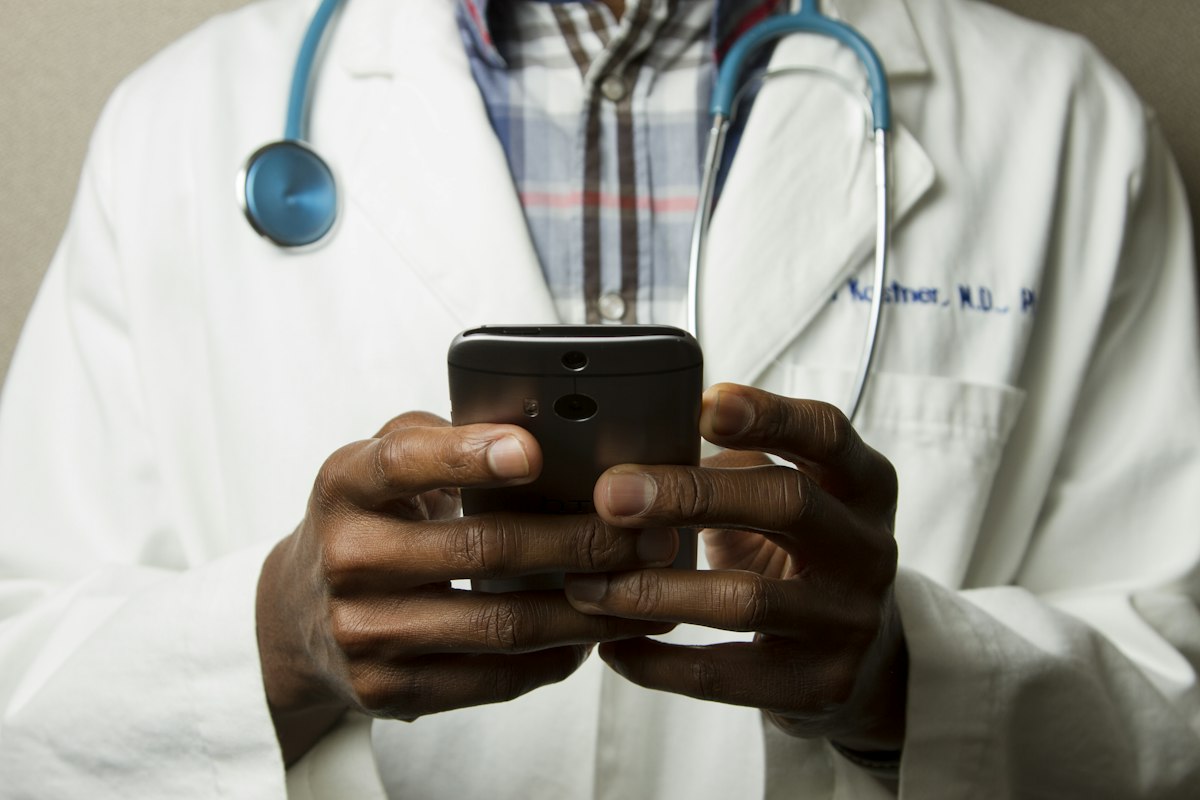
The best mental health apps in the UK for 2026 offer accessible, evidence-based support at a time when NHS waiting lists for talking therapies can stretch to months. Whether you need help with anxiety, depression, sleep, or simply maintaining good mental wellbeing, these apps provide clinically validated tools available on your phone 24/7.
NHS-Recommended Mental Health Apps
The NHS apps library (apps.beta.nhs.uk) reviews and recommends digital health tools that meet clinical evidence standards. These have been assessed for safety and effectiveness.
Headspace Guided meditation and mindfulness app with structured courses for anxiety, stress, sleep, and focus. The NHS has partnered with Headspace to provide free access to NHS staff. For the public, it’s £49.99/year or free for those on certain benefits. Particularly good for beginners to meditation.
Calm Competitor to Headspace with sleep stories, breathing exercises, and mindfulness sessions. The Daily Calm (10-minute sessions) is excellent for building a consistent practice. Sleep Stories narrated by Matthew McConaughey and other celebrities are popular. £49.99/year.
Wysa AI-powered mental health chatbot with CBT (Cognitive Behavioural Therapy) tools. Free to use with in-app support exercises. Evidence-based for mild to moderate anxiety and depression. Available on the NHS apps library. Used by over 5 million people globally.
Sleepio Developed by sleep scientists at Oxford University. Delivers a 6-week CBT-based programme for insomnia. Available free on NHS prescription in Scotland and several CCGs in England. Independent users pay £300 for the full programme (often cheaper via employer or insurance).
SilverCloud Online CBT programme for anxiety and depression. Available free through many NHS trusts (ask your GP for a referral). Also accessible through private subscription. Highly rated clinical evidence base.
For a broader picture of the NHS versus private healthcare options available to UK residents, see our NHS vs private healthcare guide. If dental anxiety is part of your mental health picture, our best private dental insurance UK 2026 guide can help you find affordable dental care that removes one source of health-related stress.
Best Wellbeing and Self-Help Apps
Woebot Free AI chatbot that delivers CBT techniques via text conversation. Excellent for low-level anxiety and mood tracking. Developed by Stanford University researchers. Fully free.
Daylio Mood and activity tracking app. Log how you feel daily and identify patterns connecting activities to mood. Free with premium upgrade. Useful alongside therapy.
Finch Self-care app gamified as a virtual pet bird. Complete self-care challenges to help your bird grow. Popular for people with low motivation or depression who respond well to gentle gamification. Free.
Sanvello Formerly Pacifica. Evidence-based anxiety and depression management with mood tracking, CBT tools, and a peer community. Free tier is functional; premium (£29.99/year) adds full programmes.
For Crisis Support
Apps cannot replace emergency services. If you’re in crisis:
- Samaritans: Call 116 123 (free, 24/7)
- Crisis text line: Text SHOUT to 85258 (Shout service, free 24/7)
- NHS 111: For urgent mental health support
- Emergency: 999
Stay Alive app: Free safety planning app for people who experience suicidal thoughts. Created in partnership with the NHS.
Getting NHS Mental Health Support
Apps work best as a complement to, not replacement for, professional support:
- Talk to your GP — they can refer you to NHS Talking Therapies (formerly IAPT)
- Self-refer to NHS Talking Therapies — available in most areas via nhs.uk/mental-health
- Check your employer’s EAP — many Employee Assistance Programmes include free therapy sessions
- MIND charity — mind.org.uk offers resources, peer support, and local services
Managing your mental health often goes hand in hand with reducing financial stress. Our guide on how to start investing in the UK as a beginner can help you feel more in control of your financial future, which positively supports overall wellbeing. Tracking your body’s physical health is also straightforward — use our free BMI calculator alongside the mental wellbeing tools listed above.
Frequently Asked Questions
Q: Are mental health apps as effective as therapy?
A: For mild to moderate anxiety and depression, apps offering CBT tools show good evidence. They’re not a replacement for moderate to severe mental health conditions, which require professional treatment.
Q: Can I get free mental health apps on the NHS?
A: Yes. Several apps including Sleepio and SilverCloud are available free via NHS referral. The NHS apps library (apps.beta.nhs.uk) lists all approved apps, some of which are free.
Q: Is Headspace worth the subscription cost in the UK?
A: For regular users, yes. At £49.99/year (£4.17/month), it’s cheaper than a single therapy session. Many employers and insurance providers offer free access — check your work benefits first.
Q: What mental health app is best for anxiety in the UK?
A: Wysa and SilverCloud (via NHS referral) are excellent for anxiety. Both use CBT evidence-based approaches. Headspace is good for anxiety prevention through mindfulness practice.
Q: Are mental health apps safe and private?
A: Reputable apps (Headspace, Calm, Wysa) have strong privacy policies. However, mental health data is sensitive — read the privacy policy before sharing personal information. Apps on the NHS apps library have been vetted for data safety.
Q: Can I use mental health apps for children in the UK?
A: Some apps like Headspace have specific content for younger users. Kooth is a free NHS-commissioned mental health platform specifically for children and young people up to age 25. YoungMinds also provides resources.
Q: What is the best free mental health app in the UK?
A: Wysa and Woebot are both free with strong evidence bases. SilverCloud is free via NHS referral. Stay Alive is free and excellent for safety planning.
Q: Do mental health apps work for depression?
A: Mild to moderate depression responds well to CBT-based apps. Studies on SilverCloud and similar programmes show meaningful symptom reduction. For moderate to severe depression, apps should complement professional treatment, not replace it.
Whether you are managing day-to-day stress or supporting a loved one through a difficult period, the best mental health apps in the UK for 2026 provide an accessible first step that sits alongside NHS services, private therapy, and workplace support programmes.
Related Articles
Tags:
Share this article: